Putting on shoes without bending down: help for older people and for back pain
Updated on 15.11.2026
Anyone who finds it hard to bend gets into shoes more easily with three things: a firm seat, a long shoehorn and shoes that don't need tying. Elastic laces turn your usual lace-up shoes into such shoes. You thread them once, then you just slip in.
This guide shows simple aids for everyday life. If you are in pain or putting on shoes is getting harder, talk to your doctor or an occupational therapist. They can also advise you on other aids.
Bestellst du jetzt: with you on next working day

Why tying shoelaces is such a chore
When tying shoes, you need two things at the same time: You have to bend far forward, and your fingers have to work precisely. If one of these things is difficult, the shoe becomes an everyday obstacle. That’s why anything that either removes the need to bend forward or the need to tie shoes helps.
1. Sit down
Put your shoes on while sitting, not standing. A sturdy chair with armrests gives you support when you get up. Place your shoes so that you can reach them without searching, for example always in the same place next to the chair. A small stool under your foot brings the shoe closer to you, so you don’t have to bend over as much.
2. Use a long shoehorn
With a long shoehorn your heel goes into the shoe without you having to bend far down. You hold it firmly at the top, place it at the back of the shoe and let your foot slide in.
3. Skip the tying altogether
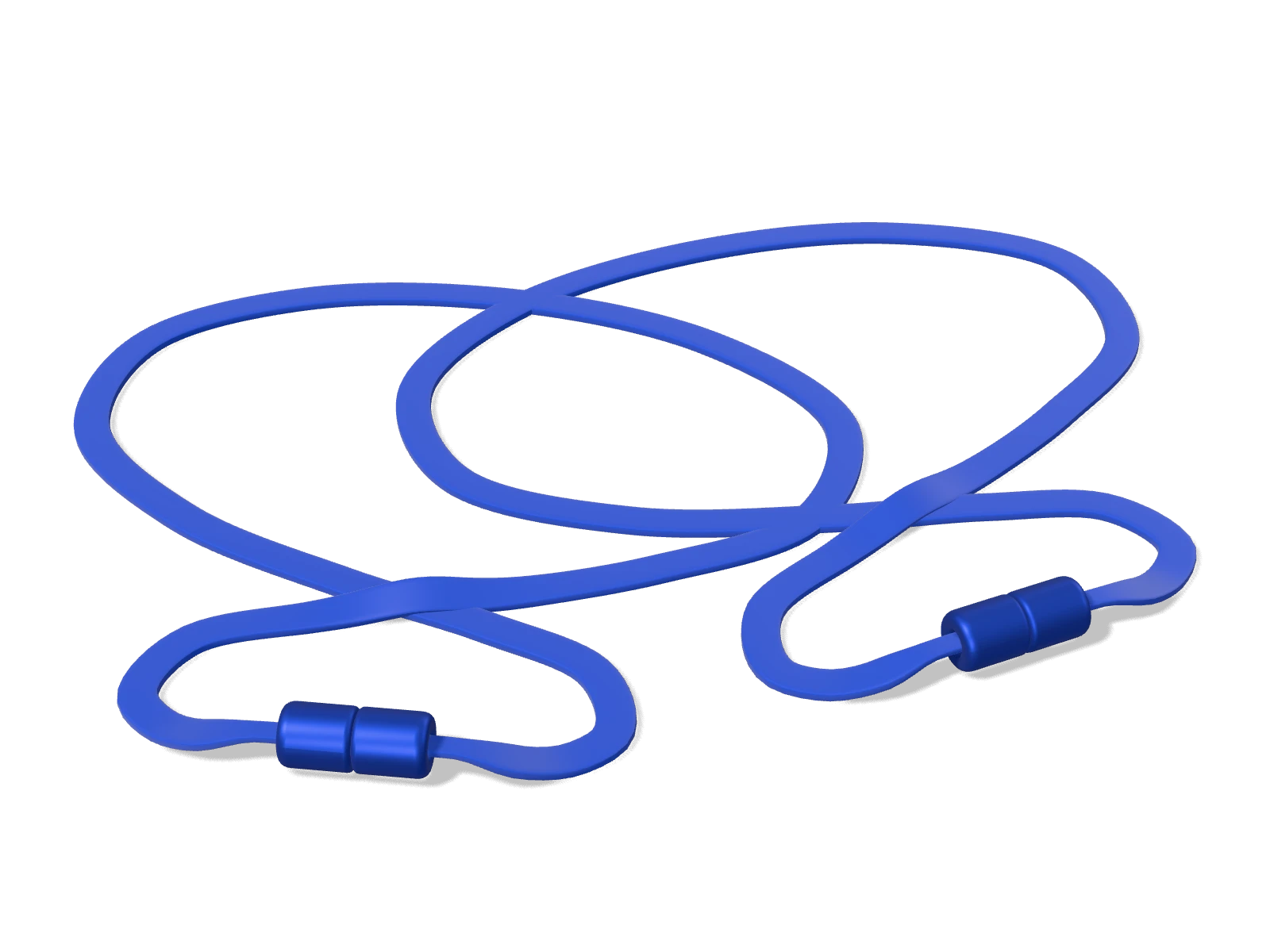
Tying needs the most bending. This is where elastic laces with a twist lock help. They replace your normal shoelaces. The lace is stretchy: it gives way as you slip in, then tightens again, and the shoe sits as if tied. A small twist lock at the top holds the ends in place. There is no bow any more.
This way you can continue to wear your usual shoes. You don't have to buy new shoes with Velcro straps.
«Great product, makes putting on and taking off shoes much easier!»
Someone else can do the threading
Elastic laces are only threaded once per shoe. Someone in the family, a neighbour or the person who otherwise helps you at home can do it for you. It takes scissors, a lighter and a few minutes per shoe. After that there is nothing more to do.
How exactly it works is explained in the fitting instructions. You can print it out and give it to the person who is helping you.
Experiences from customers
«I have had MS for several years and putting on shoes has become more and more difficult. That’s when I came across elastic laces. The problem has become smaller as a result. Thank you»
«Exactly right when your feet swell during the day»
These are the experiences of individual customers. Elastic shoelaces are not a medical aid and do not replace treatment.
Which lace is right for you?
- Flat, smooth (0.5 cm wide): simple, goes well with everyday shoes and sneakers. View flat elastic laces
- Round, metal lock (Ø 0.28 cm): slim, also fits small eyelets. View round elastic laces
Ein Set mit 2 Senkeln und 2 Drehverschlüssen für ein Paar Schuhe kostet CHF 9.90. Mo–Fr bis 16 Uhr bestellt, with you the next working day. Bezahlen kannst du mit TWINT oder auf Rechnung.
In brief
- Put your shoes on sitting down, on a stable chair.
- Slide into the shoe with a long shoehorn.
- Replace normal shoelaces with elastic laces, and tying is no longer needed.
You can find out more about how elastic laces help with putting on shoes on the page When bending down is difficult. We are happy to answer your questions via WhatsApp at 076 305 04 46 or at info@elastischeschnuersenkel.ch.
Ask us
Which lace suits your shoe, how to shorten it, where your parcel is: by WhatsApp 076 305 04 46 or at info@elastischeschnuersenkel.ch.
 When bending down is difficultNo more bending down to tie: thread once, then slip in.
 How they work and how to fit themThread, knot, shorten, twist: fitting in 6 steps.
 Short answersLength, shortening, running shoes, seniors, children: the most frequently asked questions.
 All types comparedFlat, smooth, mesh, round or silicone: sizes and lock at a glance.